 Skip to main content
Skip to footer
Skip to main content
Skip to footer

This End Up Replacement Cushions
#1 This End Up Replacement Cushions
Make worn crate seating look fresh with This End Up style replacement cushions
Your furniture’s built to last, so your cushions should be too. Faded fabric and flat foam make a great frame look tired, but you don’t need to start over. With new This End Up replacement cushions, you bring back comfort, color, and that looks brand new.
1000+ Cushions Matched
Cushions Built To Last
50+ Fabric Choices
Fresh Look Same Style
100% Comfort That Lasts
Made For Your Furniture

Are sagging lounge cushions and back pain ruining your nights on the couch?
Flat foam digs into your hips and leaves your back tight after a short sit. You shuffle around to find support and hear that tired fabric rub each time you move. Guests avoid the chair and you face the cost of constant patch jobs.
A fresh set of This End Up replacement cushions fixes the sink, restores firmness, and gives your furniture the support you expect.
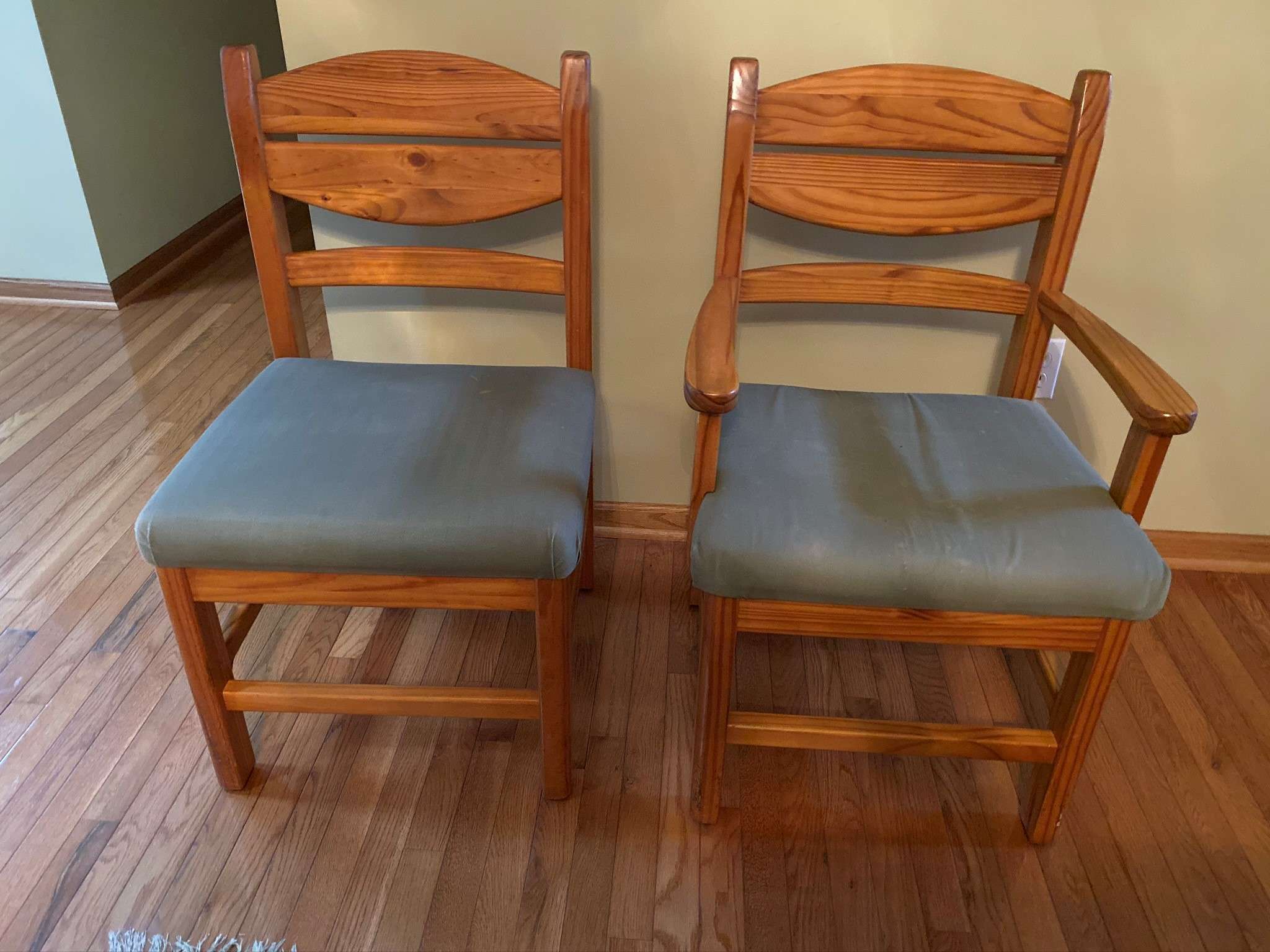
Tired of weak padding that turns your This End Up furniture into hard boards?
You feel that sharp edge under your thighs and notice seams pulling from the strain. The sound of compressed foam crunching signals another rough sit ahead. That pressure raises the chance of frame damage and higher repair bills.
New This End Up replacement cushions bring solid structure, even weight spread, and long wear so your furniture holds up.
Order better This End Up replacement cushions that suit how you actually sit

Classic (Old-Style)
Cushions and Covers
1 Set (1 Seat and 1 Back)
FREE SHIPPING

Overstuffed
Cushions and Covers
1 Set (1 Seat and 1 Back)
FREE SHIPPING
Really Firm Cushions and Covers 1 Set (1 Seat and 1 Back)
FREE SHIPPING

Covers Only
1 Set (1 Seat and 1 Back) fits on Classic, Overstuffed and Really Firm Cushions
FREE SHIPPING
Classic (Old-Style)
Cushions and Covers
1 Set (1 Seat and 1 Back)
FREE SHIPPING
Overstuffed
Cushions and Covers
1 Set (1 Seat and 1 Back)
FREE SHIPPING
Really Firm Cushions and Covers 1 Set (1 Seat and 1 Back)
FREE SHIPPING
Covers Only
1 Set (1 Seat and 1 Back) fits on Classic, Overstuffed and Really Firm Cushions
FREE SHIPPING
3 steps to order your This End Up replacement cushions
Order your free fabric sample
Pick the fabrics you like and request a free sample pack. You get it sent out so you can check colour and feel in your home.
Choose your cushion style
Match your frame size and pick the cushion set you need. You see clear details so you know exactly what fits your This End Up frame.
Place your order
Confirm your fabric and measurements and send your order through. You get your replacement cushions made to fit and shipped straight to you.
See how fresh This End Up replacement cushions change tired furniture
These jobs show real frames brought back to solid comfort. You see fit, finish, and how each set holds shape in daily use.


Order free fabric samples and plan your new This End Up cushion upgrade
These samples help you decide on a look that fits your home before you commit. They suit anyone with an older This End Up frame that still feels solid but needs new color and comfort. Our workshop teams cut and sew for more than 20 years, so every sample comes from the same rolls used in production. You get a simple pack with clear labels. After that, you choose your cushion set and we handle the rest.
-
Sort colors quickly with clear labels and real fabric -
Check how each fabric handles wear with our medium weight blends -
Match your frame size using sample guides used in over 150 builds -
Pick from 50+ plus options that suit classic crate furniture -
Feel the foam cover fabric that supports more than 1,000 annual sets
Common questions we get about our This End Up replacement cushions
How can I make sure my new cushions fit my This End Up furniture?
The best way to get a proper fit is to measure your frame carefully before buying new cushions. Take a tape measure and note the inside width and depth where the cushions sit. If your furniture is older, some of the original cushions may have changed shape over time, so always measure the frame rather than the old cushion. Writing those measurements down helps you double-check before ordering.
It’s also a good idea to take a few photos of your frame, including any angles or corners. This can help if you need to ask someone about sizing or shape. Some older This End Up pieces were made by hand, so small differences can happen between models.
If you’re not sure which model you own, look underneath or behind the frame for a stamp or label that might have the product name. Many cushion makers can work from those names or measurements to create replacements that sit well and don’t look out of place.
Good fit means your cushions won’t slide, bunch up, or sag — they’ll stay in place and feel solid again.
What should I look for when choosing replacement cushion foam?
The biggest thing is the quality and density of the foam. The original This End Up cushions were known for their firm yet comfortable feel, so if you want that same mix of support and softness, look for medium to high-density foam. Foam that’s too soft will feel good for a week or two, then quickly lose shape. Foam that’s too firm can feel stiff and less inviting.
If you can, ask about the foam’s density rating. Something in the range of about 1.8 to 2.6 lb per cubic foot tends to hold up well for years. You could also choose layered foam, which lets the top feel softer but keeps support underneath.
Adding a thin wrap of dacron or fibrefill around the foam can help it look fuller and slide into covers more easily. It also gives corners a nice, rounded shape that matches the classic This End Up look.
A little effort in choosing the right foam means your furniture feels just like it used to — firm, reliable, and comfortable.
My old cushion covers are faded. Can I just replace the covers and keep my foam?
Yes, you can often reuse your existing foam if it’s still in good shape. Press down on the centre — if the foam bounces back quickly and doesn’t sound crunchy or flattened, it’s still usable. But if it’s starting to crumble or feels thin, it might be time to replace both foam and cover together.
When ordering new covers, take careful measurements of each cushion’s width, length, and thickness. If your covers zip off, it’s easy to lay them flat and measure seam to seam. For covers that are sewn closed, you can measure the foam itself.
There are many fabric choices that still match the This End Up look — strong cotton canvas, twill, denim, or even durable indoor/outdoor materials if you want added stain resistance. Choose a fabric that suits your home and how you use the furniture.
Replacing just the covers can make a big difference to the look of your furniture, especially if you pick a fabric that complements the colour of the wood frame.
How do I know what fabric will match my older This End Up furniture?
Older This End Up furniture has a warm, rustic tone to the wood, usually in pine or oak finish. The best fabrics for that style are natural or earthy colours — greens, browns, blues, or neutral tones like oatmeal and tan. These keep the timeless, homey look that the brand is known for.
If you have photos of your furniture, use those alongside fabric swatches to see what feels balanced. Natural light can make colours look different, so check samples during the day if you can.
Another tip is to match the mood of your room rather than trying to copy the old fabric exactly. Many people like to freshen up their furniture while keeping the same cosy look. You can also mix solid colours with subtle patterns to add interest without losing the classic style.
Most fabric suppliers will send small swatches for a small cost, which can save you from guessing and regretting the choice later.
Are replacement cushions as good as the original This End Up ones?
If you pick the right materials, they can be just as good — sometimes even better. The original This End Up cushions used durable foam and heavy fabric, but modern foams and textiles have improved a lot over the years.
Today, you can get high-support foam that holds shape for many years and fabrics that resist stains, fading, and wear. The key is to avoid low-density foam or thin fabric since these don’t last. Slight upgrades like adding a fibre wrap or choosing a tougher weave can help your new cushions feel firm and stable much longer.
The fit also affects how they feel. Cushions made to your furniture’s real measurements will sit square, not shift around, and make your frame look complete again.
So, as long as the measurements, foam quality, and fabric strength are all right, your new cushions can keep that strong, comforting look that your old This End Up furniture has always had.
I’m worried about ordering the wrong size. How can I avoid that?
Measuring is your best defence against mistakes. Don’t guess or use rough estimates. Grab a flexible tape measure and take numbers from inside edge to inside edge of the frame where the cushion will sit. If your cushions have backs, measure those separately — width, height, and thickness are all key.
Always write measurements down in inches or centimetres, whichever your supplier prefers, and label each one clearly. You could also trace the outline of your old cushion onto large paper, especially if your frame has rounded corners. This helps make sure the new one follows the same shape.
Taking a few photos of your furniture while measuring can also help later if questions come up. If you’re ordering more than one cushion, make sure each one’s size is listed separately.
It’s tempting to order quickly, but double-checking your numbers saves you trouble later. The more accurate the information you give, the better your cushions will fit and feel.
How long do replacement cushions usually last?
It depends on how often you use your furniture, but good-quality replacement cushions can last between 7 and 15 years. Daily use will soften them sooner, while occasional seating might let them hold shape much longer.
Foam quality plays the biggest role. High-density foam is a bit firmer at first, but it springs back longer and resists flattening. Cheap foam can start sagging after a few months. Fabric life also depends on what you choose. A heavy cotton or canvas cover stands up well to everyday wear.
You can also extend cushion life by flipping and rotating them now and then. This spreads out pressure and helps the foam stay firm. Cleaning your covers gently — vacuuming or spot-cleaning as needed — also keeps them looking and smelling fresh.
If you notice your cushion edges rounding off or the centre not bouncing back, it’s time to refresh them again. Caring for them well means you’ll keep that solid, comfortable feel that drew you to This End Up furniture in the first place.
What’s the best way to clean and care for my new cushions?
Start by checking what kind of fabric you have. Some cushion covers zip off and can be machine washed gently, while others may need spot-cleaning. Always use mild detergent and cold water to protect the fabric’s colour and shape. Harsh cleaners or bleach can wear down fibres quickly.
Vacuum your cushions often to lift out dust and crumbs. If you spill something, blot it instead of rubbing so it doesn’t soak deeper into the fabric. For tougher spots, use a clean cloth and dab with a mixture of mild dish soap and water.
If your cushions are in strong sunlight, try rotating them every few weeks. This keeps one side from fading faster than the other.
Adding a stain-resistant treatment or protective spray can help too, especially if kids or pets use the furniture.
With a bit of care, your new This End Up replacement cushions can stay bright, clean, and firm for years without needing much fuss.
Can I get replacement cushions made in custom sizes or shapes?
Yes, you can. Many replacement cushion makers can create custom sizes for older or unusual This End Up frames. The key is providing precise measurements. For example, if your furniture has angled corners, you may need to trace the cushion seat to show exactly how it fits.
Some models from the early years of This End Up were handmade or slightly different from one batch to another, so standard sizes don’t always fit perfectly. That’s why custom sizing can be a real advantage if you’re trying to match an older piece.
If you’re going with custom sizes, confirm whether you want removable covers with zippers or sewn covers. Removable ones make cleaning much easier.
It might take a little longer to make, but a custom cushion will sit neatly and look made for your frame. When measured and made right, you’ll barely notice the difference between the new ones and the original ones from years ago.
Why do some cushions cost more than others when they look similar?
The price difference usually comes down to three things — foam quality, fabric strength, and how carefully the cushion is cut and sewn.
Foam that costs more often keeps its shape longer and supports your back better. Cheaper foam might feel fine at first but loses its resilience after a short time. The same goes for fabrics. Thicker, tightly woven materials resist tearing, fading, and pilling, which adds years to your cushion’s life.
Also, if a cushion is cut to exact measurements and fully wrapped with fibre, it looks neater and lasts longer around the seams. This takes more work and materials, which explains the cost difference.
Sometimes, paying a little more upfront reduces the need to replace cushions again soon. If you think about how long you’ve had your This End Up frame, it’s worth choosing materials that match that same long-lasting spirit.
The best way to get a proper fit is to measure your frame carefully before buying new cushions. Take a tape measure and note the inside width and depth where the cushions sit. If your furniture is older, some of the original cushions may have changed shape over time, so always measure the frame rather than the old cushion. Writing those measurements down helps you double-check before ordering.
It’s also a good idea to take a few photos of your frame, including any angles or corners. This can help if you need to ask someone about sizing or shape. Some older This End Up pieces were made by hand, so small differences can happen between models.
If you’re not sure which model you own, look underneath or behind the frame for a stamp or label that might have the product name. Many cushion makers can work from those names or measurements to create replacements that sit well and don’t look out of place.
Good fit means your cushions won’t slide, bunch up, or sag — they’ll stay in place and feel solid again.
The biggest thing is the quality and density of the foam. The original This End Up cushions were known for their firm yet comfortable feel, so if you want that same mix of support and softness, look for medium to high-density foam. Foam that’s too soft will feel good for a week or two, then quickly lose shape. Foam that’s too firm can feel stiff and less inviting.
If you can, ask about the foam’s density rating. Something in the range of about 1.8 to 2.6 lb per cubic foot tends to hold up well for years. You could also choose layered foam, which lets the top feel softer but keeps support underneath.
Adding a thin wrap of dacron or fibrefill around the foam can help it look fuller and slide into covers more easily. It also gives corners a nice, rounded shape that matches the classic This End Up look.
A little effort in choosing the right foam means your furniture feels just like it used to — firm, reliable, and comfortable.
Yes, you can often reuse your existing foam if it’s still in good shape. Press down on the centre — if the foam bounces back quickly and doesn’t sound crunchy or flattened, it’s still usable. But if it’s starting to crumble or feels thin, it might be time to replace both foam and cover together.
When ordering new covers, take careful measurements of each cushion’s width, length, and thickness. If your covers zip off, it’s easy to lay them flat and measure seam to seam. For covers that are sewn closed, you can measure the foam itself.
There are many fabric choices that still match the This End Up look — strong cotton canvas, twill, denim, or even durable indoor/outdoor materials if you want added stain resistance. Choose a fabric that suits your home and how you use the furniture.
Replacing just the covers can make a big difference to the look of your furniture, especially if you pick a fabric that complements the colour of the wood frame.
Older This End Up furniture has a warm, rustic tone to the wood, usually in pine or oak finish. The best fabrics for that style are natural or earthy colours — greens, browns, blues, or neutral tones like oatmeal and tan. These keep the timeless, homey look that the brand is known for.
If you have photos of your furniture, use those alongside fabric swatches to see what feels balanced. Natural light can make colours look different, so check samples during the day if you can.
Another tip is to match the mood of your room rather than trying to copy the old fabric exactly. Many people like to freshen up their furniture while keeping the same cosy look. You can also mix solid colours with subtle patterns to add interest without losing the classic style.
Most fabric suppliers will send small swatches for a small cost, which can save you from guessing and regretting the choice later.
If you pick the right materials, they can be just as good — sometimes even better. The original This End Up cushions used durable foam and heavy fabric, but modern foams and textiles have improved a lot over the years.
Today, you can get high-support foam that holds shape for many years and fabrics that resist stains, fading, and wear. The key is to avoid low-density foam or thin fabric since these don’t last. Slight upgrades like adding a fibre wrap or choosing a tougher weave can help your new cushions feel firm and stable much longer.
The fit also affects how they feel. Cushions made to your furniture’s real measurements will sit square, not shift around, and make your frame look complete again.
So, as long as the measurements, foam quality, and fabric strength are all right, your new cushions can keep that strong, comforting look that your old This End Up furniture has always had.
Measuring is your best defence against mistakes. Don’t guess or use rough estimates. Grab a flexible tape measure and take numbers from inside edge to inside edge of the frame where the cushion will sit. If your cushions have backs, measure those separately — width, height, and thickness are all key.
Always write measurements down in inches or centimetres, whichever your supplier prefers, and label each one clearly. You could also trace the outline of your old cushion onto large paper, especially if your frame has rounded corners. This helps make sure the new one follows the same shape.
Taking a few photos of your furniture while measuring can also help later if questions come up. If you’re ordering more than one cushion, make sure each one’s size is listed separately.
It’s tempting to order quickly, but double-checking your numbers saves you trouble later. The more accurate the information you give, the better your cushions will fit and feel.
It depends on how often you use your furniture, but good-quality replacement cushions can last between 7 and 15 years. Daily use will soften them sooner, while occasional seating might let them hold shape much longer.
Foam quality plays the biggest role. High-density foam is a bit firmer at first, but it springs back longer and resists flattening. Cheap foam can start sagging after a few months. Fabric life also depends on what you choose. A heavy cotton or canvas cover stands up well to everyday wear.
You can also extend cushion life by flipping and rotating them now and then. This spreads out pressure and helps the foam stay firm. Cleaning your covers gently — vacuuming or spot-cleaning as needed — also keeps them looking and smelling fresh.
If you notice your cushion edges rounding off or the centre not bouncing back, it’s time to refresh them again. Caring for them well means you’ll keep that solid, comfortable feel that drew you to This End Up furniture in the first place.
Start by checking what kind of fabric you have. Some cushion covers zip off and can be machine washed gently, while others may need spot-cleaning. Always use mild detergent and cold water to protect the fabric’s colour and shape. Harsh cleaners or bleach can wear down fibres quickly.
Vacuum your cushions often to lift out dust and crumbs. If you spill something, blot it instead of rubbing so it doesn’t soak deeper into the fabric. For tougher spots, use a clean cloth and dab with a mixture of mild dish soap and water.
If your cushions are in strong sunlight, try rotating them every few weeks. This keeps one side from fading faster than the other.
Adding a stain-resistant treatment or protective spray can help too, especially if kids or pets use the furniture.
With a bit of care, your new This End Up replacement cushions can stay bright, clean, and firm for years without needing much fuss.
Yes, you can. Many replacement cushion makers can create custom sizes for older or unusual This End Up frames. The key is providing precise measurements. For example, if your furniture has angled corners, you may need to trace the cushion seat to show exactly how it fits.
Some models from the early years of This End Up were handmade or slightly different from one batch to another, so standard sizes don’t always fit perfectly. That’s why custom sizing can be a real advantage if you’re trying to match an older piece.
If you’re going with custom sizes, confirm whether you want removable covers with zippers or sewn covers. Removable ones make cleaning much easier.
It might take a little longer to make, but a custom cushion will sit neatly and look made for your frame. When measured and made right, you’ll barely notice the difference between the new ones and the original ones from years ago.
The price difference usually comes down to three things — foam quality, fabric strength, and how carefully the cushion is cut and sewn.
Foam that costs more often keeps its shape longer and supports your back better. Cheaper foam might feel fine at first but loses its resilience after a short time. The same goes for fabrics. Thicker, tightly woven materials resist tearing, fading, and pilling, which adds years to your cushion’s life.
Also, if a cushion is cut to exact measurements and fully wrapped with fibre, it looks neater and lasts longer around the seams. This takes more work and materials, which explains the cost difference.
Sometimes, paying a little more upfront reduces the need to replace cushions again soon. If you think about how long you’ve had your This End Up frame, it’s worth choosing materials that match that same long-lasting spirit.